
Replacing an HVAC System: What I’ve Learned After Years in the Field
After more than a decade working as an HVAC technician and installation specialist, I’ve seen firsthand how confusing the decision to replace a heating and cooling system can be. Most homeowners only deal with this once or twice in their lifetime, so it’s completely normal to feel unsure about where to start. When customers ask me about HVAC Replacement options, the first thing I tell them is that the right decision isn’t always the most obvious one—it depends on the home, the system history, and how the family actually uses their space.
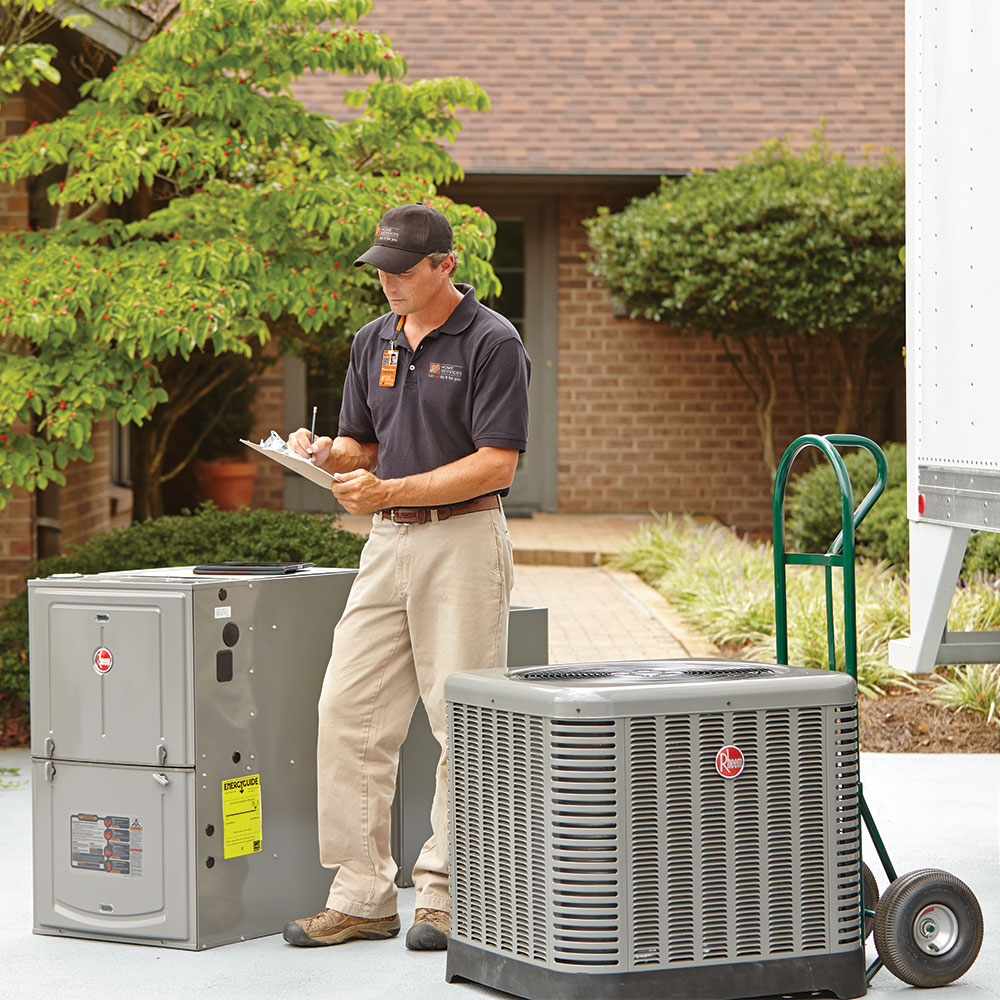
Early in my career, I remember visiting a homeowner who had been dealing with a failing air conditioner for years. They had already paid for multiple repairs because someone kept telling them the system could “get one more season.” By the time I arrived, the unit was barely cooling and the repair costs had piled up to the point where a replacement would have been cheaper months earlier. Situations like that are more common than people realize, and they’re one of the reasons I always encourage homeowners to look at the long-term picture rather than the short-term fix.
One thing experience has taught me is that many systems fail gradually, not suddenly. I worked with a customer last spring whose house always felt unevenly cooled. The living room was comfortable, but the bedrooms stayed warm even with the thermostat turned down. After inspecting the system, I discovered the unit was nearly two decades old and struggling to move enough air through the ductwork. Replacing the system didn’t just improve cooling—it finally balanced the airflow in the house. The homeowner told me later that it was the first summer they had slept comfortably upstairs.
Another common mistake I see is homeowners choosing equipment based purely on size or price. Bigger isn’t always better. I’ve replaced oversized units that short-cycled constantly, turning on and off every few minutes. That kind of operation wastes energy and puts unnecessary wear on the compressor. Proper sizing requires evaluating insulation levels, window exposure, and even how sunlight hits different parts of the house during the day.
In my experience, the installation itself matters just as much as the equipment. I once helped redo a system that had been installed only a few years earlier. The unit was high quality, but the airflow had never been properly adjusted and the refrigerant charge was off. Once we corrected those issues during the replacement process, the system finally performed the way it was designed to.
Homeowners often ask me how to tell when replacement is the smarter choice. I usually look for a combination of factors: frequent repairs, rising energy bills, uneven temperatures in the home, and systems older than fifteen years. When several of those signs appear together, replacement usually becomes the more practical investment.
After working on hundreds of homes, I’ve come to appreciate how much a well-installed HVAC system can improve daily comfort. When everything is properly sized, installed, and balanced, most homeowners stop thinking about their heating and cooling altogether—which, from a technician’s perspective, is exactly how it should be.
You May Also Like
