
Exploring the Human Body Through a 3d anatomy model: A New Dimension of Learning
The rapid evolution of educational technology has transformed how students and professionals understand the human body, and the introduction of the 3d anatomy model has become one of the most impactful advancements. Unlike traditional flat diagrams, this interactive tool provides a dynamic, immersive way to explore anatomical structures. By offering depth, perspective, and realistic visuals, the 3d anatomy model enables learners to grasp complex systems with greater clarity and efficiency.
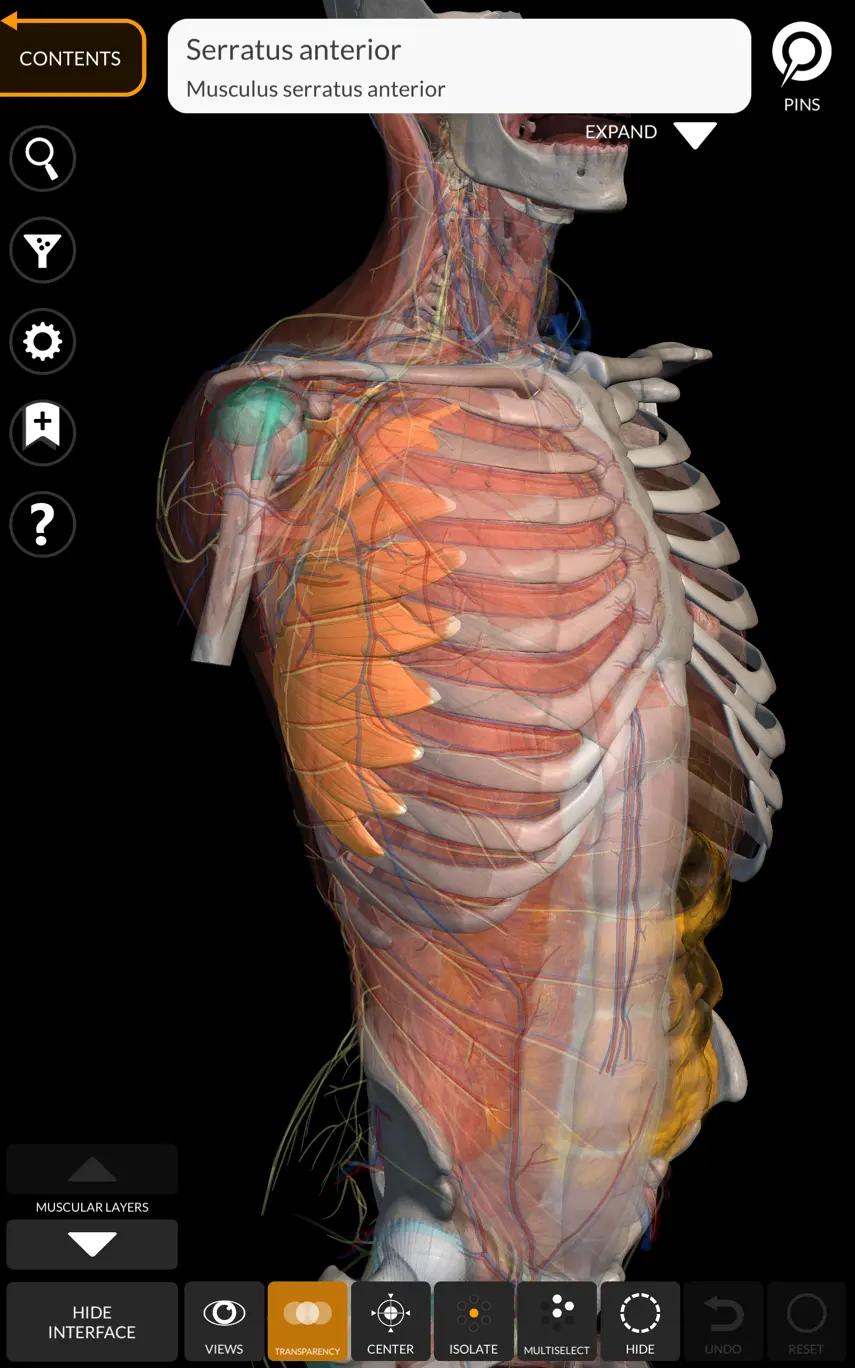
For medical students, the 3d anatomy model has become an indispensable resource in bridging the gap between theory and practice. It allows users to rotate, zoom, and dissect anatomical layers, replicating an experience once reserved only for cadaver labs. In doing so, the 3d anatomy model enhances comprehension of spatial relationships between organs, tissues, and bones, creating a stronger foundation for future clinical work.
Professional healthcare practitioners also benefit enormously from the accuracy and precision offered by a 3d anatomy model. Surgeons can use it to plan delicate operations, visualizing critical structures before entering the operating room. In addition, physical therapists and sports medicine specialists rely on a 3d anatomy model to explain injuries to patients, helping them understand the source of pain and the purpose of treatment routines. This improves communication and encourages patient engagement.
Educators find that integrating a 3d anatomy model into classrooms significantly elevates student engagement. Traditional textbook illustrations, though informative, often lack the depth necessary for full comprehension. By contrast, interactive demonstrations using a 3d anatomy model capture learners’ interest and promote active participation. This digital approach accommodates different learning styles, making complex anatomical concepts more accessible to visual and kinesthetic learners.
The usefulness of a 3d anatomy model also extends beyond academic and clinical environments into research settings. Scientists studying biomechanics, organ function, or medical device development rely on the precision of a 3d anatomy model to simulate realistic scenarios. Because the model can be updated and refined with new scientific findings, it remains an evolving resource that grows alongside medical knowledge. This adaptability makes the 3d anatomy model a vital tool for innovation.
Artists and designers have also embraced the capabilities of a 3d anatomy model, particularly in fields such as animation, game development, and fine arts. Creating lifelike human characters requires detailed understanding of muscle movement, skeletal structure, and facial anatomy. With a 3d anatomy model, creatives can reference accurate forms while designing expressive and realistic figures. This blend of science and art demonstrates the versatility of the 3d anatomy model across disciplines.
Beyond professional use, the general public has found value in learning from a 3d anatomy model as well. Fitness enthusiasts use it to understand how specific exercises target various muscle groups. Individuals with health concerns can explore their conditions interactively, gaining a deeper appreciation of how their bodies function. The accessibility of a 3d anatomy model through mobile apps and online platforms empowers people to take an active role in their personal well-being.
In the future, advancements in virtual reality and artificial intelligence are expected to further enhance the capabilities of the 3d anatomy model. Fully immersive VR environments may allow users to walk through organs or observe biological processes in action, bringing learning to life in unprecedented ways. AI could personalize educational experiences, adapting the 3d anatomy model to each user’s pace and level of understanding. As these technologies progress, the 3d anatomy model will continue to reshape how we explore and appreciate the human body.
You May Also Like
